
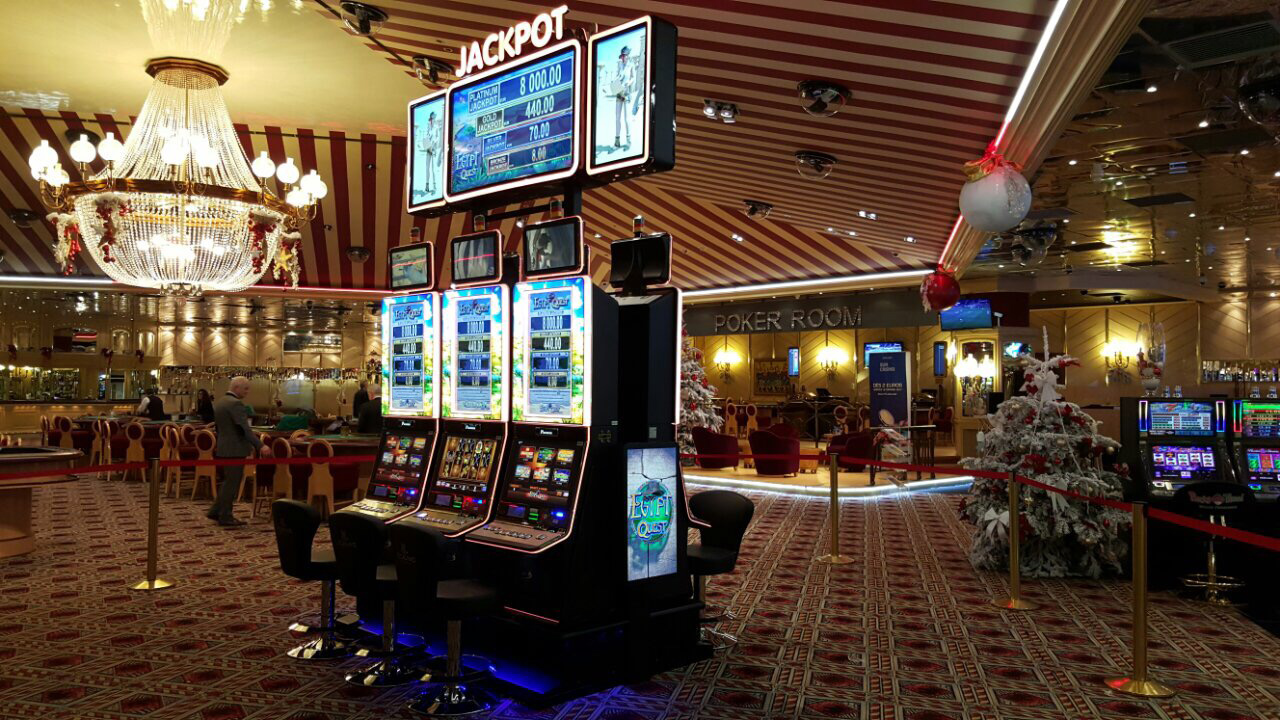
Poker thrills at Jokabet Casino
Poker has a peculiar way of making an ordinary evening feel sharper. A small pair can suddenly seem important, a quiet opponent becomes interesting, and every pause before a bet starts to mean something. When I spent time exploring the poker area at Jokabet casino, I found that the thrill was not only about winning a pot. It came from having to make a decision before I felt fully ready.
I began with a modest cash-game table, partly because I liked the idea that I could leave when the session stopped feeling clear. The lobby was easy enough to follow, although it took me a while to work out which stakes suited the amount I had set aside. I remember sitting with a mug of tea going cold beside me and thinking that the first few hands felt much slower than expected. Then somebody raised from late position, and suddenly the pace changed.
Formats that change the mood
The useful thing about poker at an online casino is that no single format has to define the whole experience. Cash games felt steady to me. Chips had a direct value, blinds stayed fixed, and I could reload only if that was part of my original budget. Tournaments were different. A small stack did not necessarily mean a small problem, and surviving became almost as satisfying as building chips.
| Format | What I noticed | My practical approach |
|---|---|---|
| Cash game | More room to wait for sensible spots | Played fewer hands and kept a stop point |
| Sit & Go | The pace tightened quickly with fewer players | Paid attention to stack sizes early |
| Multi-table tournament | Patience mattered, but so did timely aggression | Protected chips without becoming too passive |
I probably enjoy cash games more for a relaxed session, even though tournaments create the bigger stories. In a cash game, I could fold a frustrating hand and reset mentally. In a tournament, folding might be right, but it could also leave me with blinds creeping closer. That difference sounds obvious when written down. At the table, with the timer moving, it feels less obvious.
Reading the table rather than chasing cards
The strongest lesson from my sessions was that cards are only part of the picture. I started watching how often players entered pots, whether they checked quickly or paused, and how they behaved after losing. None of those signs is proof of anything. Online poker does not let me see a face or hear a chair scrape backwards. Still, betting patterns leave their own kind of trail.
| Table signal | How I interpreted it | What I avoided doing |
|---|---|---|
| Repeated large pre-flop raises | Possible pressure player, not always a premium hand | Automatically folding every medium-strength hand |
| Frequent calls, few raises | A player who wanted to see flops cheaply | Bluffing too much into several callers |
| Sudden change in bet size | A reason to slow down and reassess | Treating one move as a certain tell |
One hand stays with me. I had top pair with a reasonable kicker, not a monster, and an opponent who had been quiet suddenly made a large turn bet. My first instinct was to call because I disliked being pushed around. I paused instead. Their earlier hands had been cautious, their sizing had been small, and this one was unusually forceful. I folded. Maybe I was bluffed, perhaps. But I liked that I had made a decision based on the whole session rather than on pride.
Tournament pressure changes every calculation
Tournament play added a layer that I had underestimated. The blinds rise whether I am enjoying the cards or not. Early on, I found myself being too careful, waiting for a hand that looked perfect. Later, when my stack was shorter, I had to accept that a decent opportunity might be enough. That was uncomfortable. It also made the game feel alive in a way cash games sometimes do not.
| Tournament stage | Pressure I felt | Decision adjustment |
|---|---|---|
| Early levels | Wanting to build quickly | Stayed selective and observed opponents |
| Middle levels | Blinds becoming meaningful | Looked for position and unopened pots |
| Short-stack stage | Fear of being eliminated | Made clearer choices instead of drifting |
I learned to separate pressure from urgency. Pressure is normal, especially when a tournament run has lasted longer than expected. Urgency is the moment when stack size and blind levels genuinely require action. Mixing those two feelings led me into weak calls once or twice. Taking a breath before clicking helped more than any clever phrase about poker strategy.
What stayed with me after the tables closed
My time playing poker left me with a fairly simple view: the enjoyable part is the thinking, provided the limits are sensible. I set an amount before joining a table, resisted trying to recover a bad hand, and treated losses as part of the session rather than a personal insult. That sounds calm now. During a close tournament hand, I was not always calm at all.
Cash games gave me flexibility, tournaments gave me tension, and both formats rewarded attention more than impulsiveness. I still like the occasional risky-looking spot, because poker without any uncertainty would be dull. But I am more comfortable folding than I was at the start. Oddly, that has made the wins feel better too.
